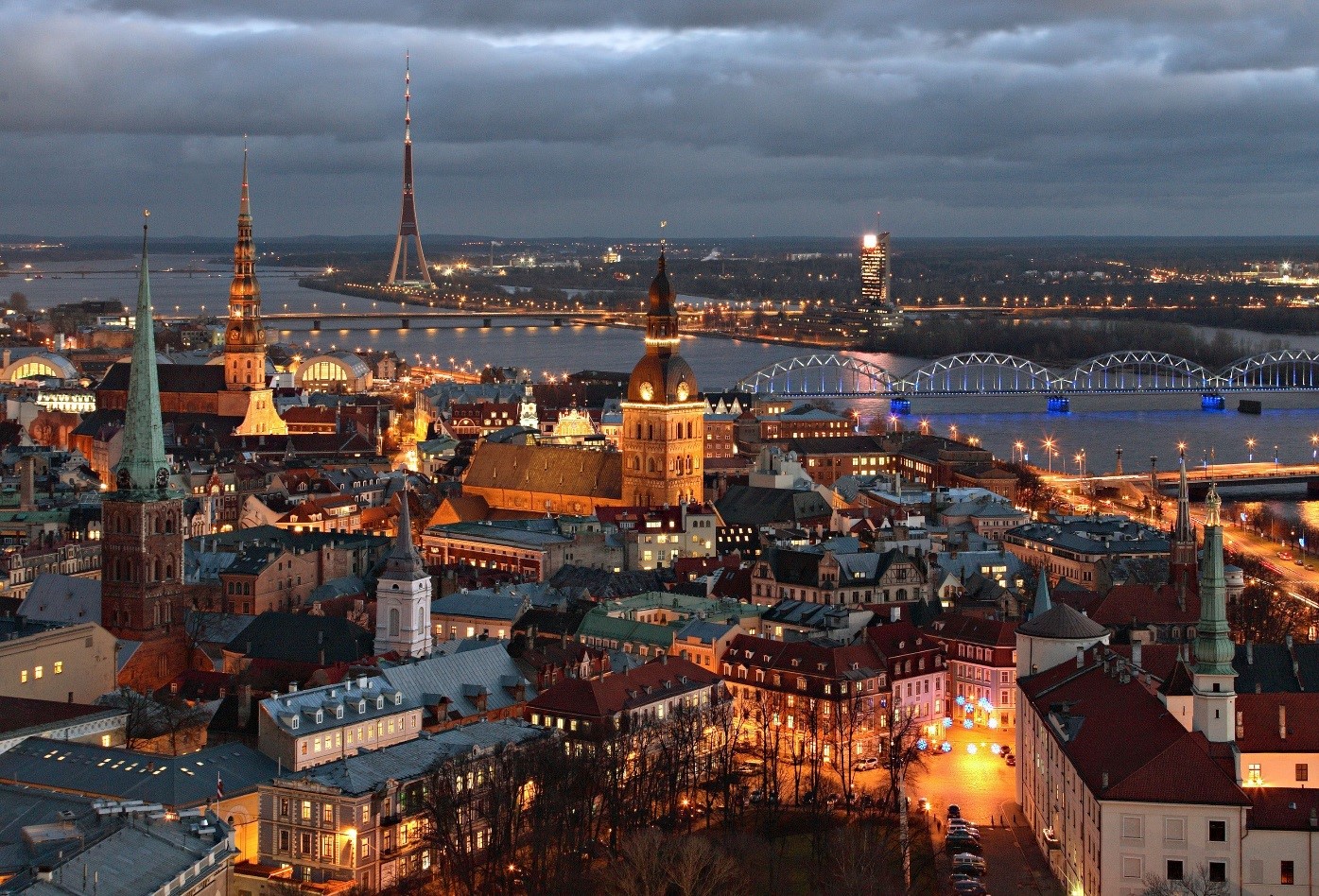
Riga, the capital of Latvia, is the pearl both of Latvia and the whole of the Baltics. Riga is included in the UNESCO World Cultural and Natural Heritage list.
Riga is a charming place, which is famous with a great food, live music, performances wild nightlife, the opera, theatrical events, great art and architecture, shopping and a rich history.
Latvia’s rich natural beauty is one of the finest in all of Europe and many outdoor activities such as horse riding, camping, bungee jumping, canoeing, fishing, hunting, sailing, cycling, trekking are often overlooked by visitors.
About culture.
In Riga you find a lot of professional theatres as well as amateur drama and theatre groups, the Latvia National Opera, Latvia Philharmonic Orchestra, concert halls 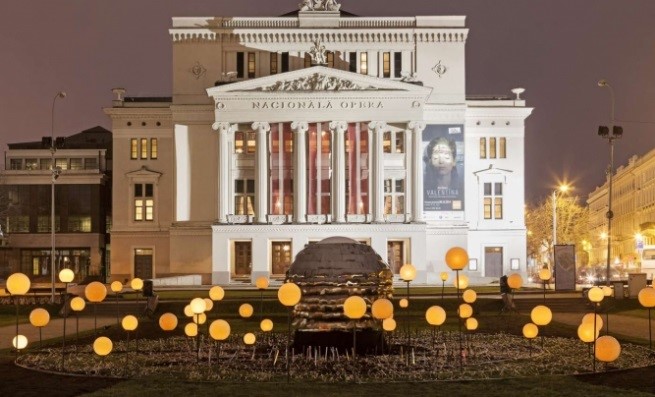 and several art galleries that give you a taste of the cultural life not only in Riga but the whole of Latvia. You will also find more than 40 different museums, like the popular State Museum of Fine Arts, Museum of the History of Riga and Navigation, Latvian Museum of Nature, Museum of Decorative Applied Arts and the Ethnographic Open-Air Museum of Latvia.
Latvians continue to observe the traditions of their ancestors – culture embedded in Latvian folklore that is best experienced during the Summer Solstice or "Jani" holiday, and the massive Song and Dance festivals, as well as through traditional crafts and handiwork, events organized by museums, and a lot of other activities.
Those who enjoy music and performing arts will enjoy major opera festivals in Riga and Sigulda, and a large number of various concerts and festivals across the country.
Architecture.
The cultural and historic heritage of Latvian architecture spans many centuries, from authentic rural homesteads to unique samples of wooden architecture, to luxurious palaces and manors, churches, and impressive Art Nouveau buildings.
There are outstanding architectural gems to be seen not just in the capital city of Riga, but also in towns, villages, and the more remote regions of Latvia. The controversial Soviet legacy in architecture also covers several decades, with striking samples all across the territory of Latvia.
Latvia has a number of unique palaces and manors, built during different centuries that are an important part of the history and architecture of the country. Hundreds of these historic landmarks have been preserved in Latvia, each with unique architectural, cultural, and historic heritage. Many palaces and manors are available for tours, they also offer various activities.
Nature.
In Latvia there are a lot of beautiful views, the Baltic Sea coast, National Parks of Latvia, beautiful landscapes, nature parks, lakes and forest.
There are four national parks in Latvia: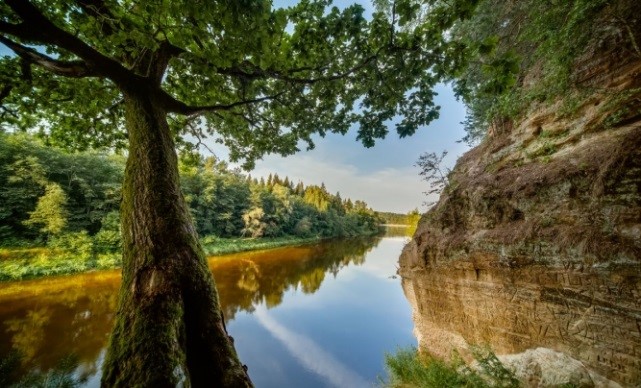 • Gauja National Park – the largest and oldest in Latvia, where 2/3 of all caverns and grottoes in Latvia are located
• Kemeri National Park – known for the unique Kemeri Marsh and famous for its natural mineral springs and medicinal mud
• Razna National Park – established to protect the diversity of biotopes in Lake Razna and nearby
• Slitere National Park – known for its Blue
Hills that, thousands of years ago, formed the shores of the Baltic Ice Lake.
The national parks are meant to protect natural values, such as Gutmanis Cavern, the widest and highest one in the Baltics. They are home to rare bird species, including the corn crake that is slowly disappearing in Western Europe, and a variety of wildlife, for example, such large specimen as elks.
Baltic Sea cost is the most popular place in Latvia.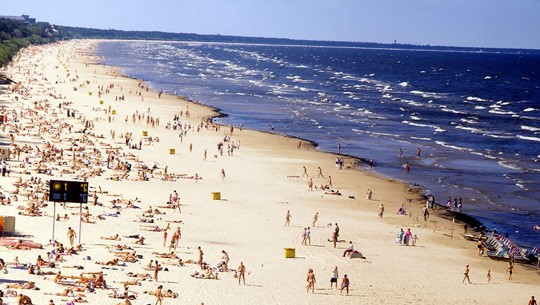 The shores of the Baltic Sea in Latvia are 500 km long. The Kurzeme coast is washed by mighty waves from the open sea that, up north at Cape Kolka, meet the calmer waters of the Gulf of Riga, where the most popular stretches are the white sandy beaches at Riga and Jurmala, and the rocky beaches of Vidzeme.
Latvia’s lengthy coastline never ceases to surprise with its dunes, steep cliffs, sandstone outcrops, impressive rocks and caverns.
The coastline owes much of its charm to the fishing villages, the multiple areas untouched by civilization, imposing port cities, and the popular resort city of Jurmala.
Eat&Drink
When visiting Latvia, travelers may be absolutely certain that they will be served tasty, healthy and varied meals. They just have to choose what best matches their eating habits and needs and open the doors of any city restaurant, cafe or roadside bar.
Latvian national cuisine has been formed under the influence of cuisines from the neighboring countries and the meals served today are particularly rich in other nationality dishes.
There are bars and pubs in almost every Latvian city and village, and historically they have been a place to meet up with friends and make new friends, taste local 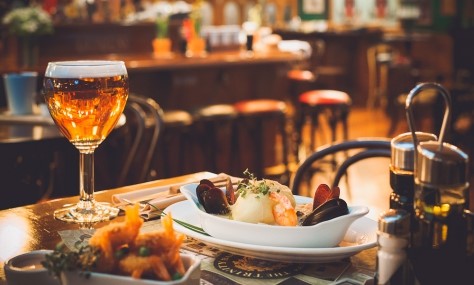 beer or something a little stronger, as well as have a filling meal. Many bars offer to hire event spaces, watch sports events together with other fans, listen to live music and enjoy a dance. Beverages and Food Bars offer a wide range of beverages, and there are also bars specializing in a certain type of drink, e.g.
Latvian traditional meals will always be filling and fresh, our meals are nutritious and natural. Back in the day spices were not common, however, Latvian cuisine has undergone changes over time by borrowing dishes from other nations and by adopting international influences. The traditional range of meals is now supplemented by exotic spices and ingredients, which together offer a new taste adventure. Vegetarian, vegan and raw food offers are also growing. Traditional Latvian Cuisine The most common ingredient of traditional Latvian cuisine is meat – blood sausage, pork roast, smoked meats.
Restaurants in Latvia offer the light Mediterranean cuisine, Eastern cuisine featuring savory spices, Caucasian dishes, tender Japanese specialties, modern fusion Slow Food as well as many other cuisines not to mention Russian delicacies such as pancakes with caviar and a shot of vodka.
Source: www.riga.com ; www.latvia.travel